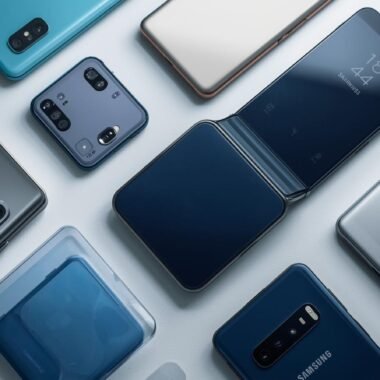
Introduction: The Evolution of Smartphones
The landscape of mobile technology has undergone a significant transformation since the inception of smartphones. Initially regarded merely as cellular devices capable of making calls and sending texts, phones have evolved into multifaceted gadgets that now serve as essential tools for communication, entertainment, and productivity. This evolution reflects rapid advancements in design, functionality, and features, making the decision to select the best smartphone increasingly complex.
In recent years, smartphones have embraced cutting-edge technologies such as artificial intelligence, augmented reality, and sophisticated camera systems that enhance user experiences. Users now expect their devices not only to facilitate communication but also to enhance their day-to-day activities, from managing schedules to providing instant access to information. The introduction of 5G technology is another milestone, allowing incredibly fast data transfer and seamless connectivity, pushing the envelope further for what these devices can accomplish.
Selecting the most appropriate smartphone for individual needs requires consideration of various factors. Potential buyers must evaluate their priorities, such as camera quality, battery life, operating system, and durability. For instance, photography enthusiasts may lean towards devices with superior camera capabilities, while business users might prioritize security features and productivity applications. The right choice can significantly impact the user’s personal and professional life, making it crucial to analyze options thoroughly.
As we prepare to explore the best phones to consider in 2026, it is essential to appreciate how far smartphones have come and the direction in which they are heading. By understanding their evolution, consumers can make informed decisions and anticipate how emerging trends might align with their preferences and needs.
Technological Advancements: What to Expect in 2026
As we look toward 2026, several significant technological advancements are anticipated to redefine the smartphone landscape. One of the most notable enhancements will be in processing power. With the continuous evolution of semiconductors, we expect to see smartphones utilizing advanced chipsets that not only improve speed and efficiency but also support complex applications that were previously unthinkable on mobile devices. This leap in processing capabilities will allow users to perform multitasking seamlessly and engage with resource-intensive applications.
Camera technology is also expected to make remarkable strides. By 2026, smartphones may feature cameras with enhanced sensor technology, offering increased resolution and improved low-light performance. Innovations such as computational photography and augmented reality integration will further enrich the user experience, enabling users to capture and manipulate images with unparalleled detail and creativity.
Artificial intelligence (AI) integration will likely become more pronounced in consumer smartphones. From personalized user interfaces that adapt to individual preferences to advanced voice recognition systems that allow for more natural interactions, AI will transform how users engage with their devices. Moreover, AI-driven features could enhance photography capabilities, predict user needs, and optimize battery usage based on usage patterns.
Speaking of battery life, advancements in battery technology are crucial for the future of smartphones. By 2026, we may see the widespread adoption of fast-charging battery systems and potentially new materials that elevate energy density, extending device usage time. Coupled with improvements in energy efficiency from new processors and software optimizations, users can anticipate a significant reduction in battery anxiety.
Finally, connectivity is set to evolve dramatically with the emergence of 6G technology. This next-generation network will enable incredibly fast data transfer speeds and low latency, paving the way for advanced applications such as real-time augmented reality and immersive virtual experiences. Such developments imply that smartphones will serve not just as communication tools but as gateways to versatile digital interactions.
Top Brands Dominating the Market in 2026
As we look ahead to 2026, the smartphone industry is poised for significant evolution, with several prominent brands expected to lead the market. These brands are not just well-established; they continually innovate and adapt to changing consumer demands and technological advancements. Notably, companies like Apple, Samsung, Google, and emerging Asian manufacturers are already gaining the attention of consumers and industry analysts alike.
Apple is anticipated to remain a formidable player, maintaining its reputation through a focus on high-quality craftsmanship and user-centric design. The company’s integration of hardware and software has consistently delivered a seamless experience, attracting a loyal customer base that values privacy and ecosystem connectivity. Innovations introduced in their latest model cycles are likely to further bolster their market position.
Samsung, on the other hand, thrives on its diverse product lineup, catering to a broad spectrum of consumer preferences. Known for their bold designs and cutting-edge technology, Samsung is actively enhancing its product features, including advancements in display and camera technology. Their investment in foldable smartphones could also define their competitive edge in the coming years.
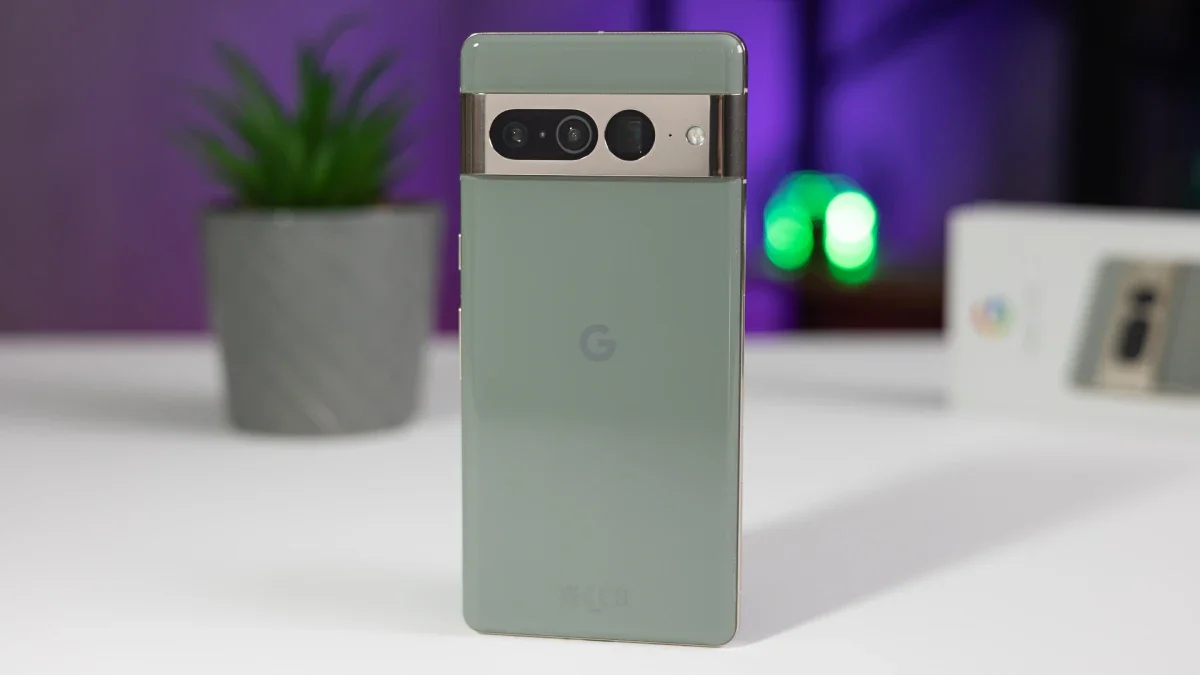
Google, with its Pixel lineup, has gained traction for its exceptional camera capabilities and integration of AI technology. As artificial intelligence continues to play a crucial role in smartphone development, Google’s early investment in this area might secure them a substantial market share in the premium segment.
Emerging players from Asia are also expected to challenge the status quo, with brands focusing on providing high-quality smartphones at aggressive price points. Companies like Xiaomi and OnePlus are noted for their successful value propositions, striking a balance between performance and affordability, thereby drawing in price-sensitive customers.
In conclusion, the competitive landscape of smartphone brands in 2026 will likely be shaped by innovation, consumer preferences, and strategic positioning in the market. As these leading companies adapt and grow, they will continuously influence the trajectory of the smartphone industry.
Criteria for the Best Smartphone: Performance, Features, and Budget
When evaluating the best smartphones of 2026, there are several key criteria to consider: performance, features, and budget. Each of these components plays a crucial role in determining which phone will best meet individual user needs.
Performance is often the foremost factor for many consumers. This encompasses the processing power, memory capacity, and overall speed of the device. The best smartphones should be equipped with advanced processors, such as the latest generation of chipsets, to ensure swift operations and the ability to multitask efficiently. Additionally, a higher RAM capacity is vital for supporting demanding applications and multitasking capabilities, thereby enhancing the overall user experience.
Furthermore, the camera quality is another essential feature that potential buyers should not overlook. In 2026, smartphones with superior camera technology, such as advanced sensors and enhanced night mode capabilities, are likely to dominate the market. This will cater to the growing demand for high-quality photography and videography, which is a crucial aspect of modern smartphone use. The integration of artificial intelligence features in photography will also set the best smartphones apart from the competition.
Another critical aspect to assess is the software experience, including the operating system and interface design. The best smartphones will offer intuitive user interfaces that are easy to navigate, along with regular software updates to ensure optimal security and performance. In addition to these features, durability and build quality should also be considered, as these factors contribute to the overall lifespan of the device.
Lastly, budget considerations cannot be neglected. Consumers will benefit from a thorough understanding of what features are essential for their needs versus what is considered superfluous. Identifying smartphones that provide the best value for performance and features within a specific budget will be crucial in making an informed choice.
Comparison of Flagship Phones in 2026
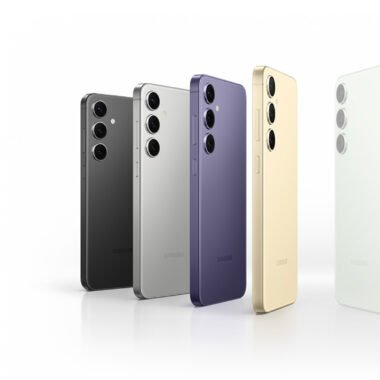
As we anticipate the flagship phones set to launch in 2026, a side-by-side comparison allows consumers to make informed decisions based on specifications, features, pricing, and unique selling points of each device. This year promises an exciting array of options, each catering to different user preferences and technological trends.
The first contender is the Galaxy Z Ultra from Samsung, expected to feature a 6.9-inch AMOLED display with a refresh rate of 120Hz. This device aims to excel in camera technology, boasting a triple-lens setup with an impressive 200MP main sensor, making it a top choice for photography enthusiasts. Additionally, with a predicted price starting at $1,299, it positions itself as a premium option in the flagship market.
Next, we have the Apple iPhone 16 Pro. Known for its seamless integration with the iOS ecosystem, this model is rumored to include the A18 chip, significantly enhancing performance. The 6.7-inch Super Retina XDR display is also expected to deliver vivid colors and deep blacks. Price estimates suggest a starting point of $1,199, making it a reasonably competitive alternative considering its ecosystem advantages.
Meanwhile, Google is set to release the Pixel Ultra, which emphasizes AI and machine learning capabilities. With a dual-camera system, enhanced photo processing, and a brilliant 6.8-inch OLED display, this model is believed to cater effectively to users keen on smart photography. Pricing for the Pixel Ultra may begin at around $1,099, aligning with its innovative feature set.
Each of these flagship phones in 2026 showcases strengths that appeal to various consumer demographics. The Galaxy Z Ultra is suitable for media consumption, the iPhone 16 Pro for ecosystem integration, and the Pixel Ultra for AI-driven features. This detailed breakdown of specifications, features, and pricing positions consumers to make an educated choice when these devices launch.
User Experience: Why It Matters More Than Specs
In the rapidly evolving world of smartphones, technical specifications often capture the spotlight. However, the user experience (UX) plays a crucial role that frequently outweighs the importance of these specs. A device may boast impressive processor speeds, extensive storage, or advanced camera capabilities, yet if the overall user experience is lacking, customer satisfaction can suffer. Businesses must recognize that a seamless interaction with the device is paramount in ensuring loyal customers.
The software interface, for instance, is a significant determinant of a phone’s usability. A well-designed operating system simplifies navigation and enhances a user’s relationship with the device. Users often express preference for intuitive interfaces that allow them to access functionalities without excessive frustration. This feedback highlights that user-centric design can indeed elevate a smartphone above its technically superior competitors.
Additionally, the quality of customer service cannot be overlooked. When users encounter issues with their device, responsive and effective support can significantly alleviate their concerns. Brands that invest in training their staff and providing robust help resources tend to foster a more positive experience for users, thus reinforcing brand loyalty. Customers notice when a company is invested in not just selling a product but also in supporting their journey with it.
Ease of use is yet another hallmark of an exemplary user experience. For many consumers, especially those not well-versed in tech, a simple yet powerful experience is key. Testimonials often cite the ease of setup and daily usage as critical factors influencing their overall satisfaction. Reviews frequently mention how a device’s intuitive nature allows users to focus on enjoyment rather than spend time struggling with complex features.
In conclusion, while technical specifications are vital for differentiating smartphones, the user experience establishes the true value of a device. Brands that prioritize UX through thoughtful design, customer service, and usability will surely resonate with users, leading to sustained loyalty and satisfaction in 2026 and beyond.
Sustainable and Eco-Friendly Options in 2026
The increasing awareness of environmental issues has significantly influenced consumer preferences, with many individuals seeking smartphones that embody sustainable practices. In 2026, a range of brands are leading the charge in integrating eco-friendly solutions within their smartphone offerings. These companies prioritize the use of recyclable materials and energy-efficient manufacturing processes, thereby appealing to environmentally conscious consumers.
One notable brand is Fairphone, widely recognized for its commitment to sustainability. Unlike conventional smartphones, Fairphone incorporates ethically sourced materials, including conflict-free minerals, and emphasizes modular construction, allowing users to easily replace parts rather than dispose of the entire device. This innovative approach not only fosters a longer lifespan for devices but also minimizes waste.
Another key player is Apple, which has made strides toward carbon neutrality in its supply chain. By 2026, Apple aims to use 100% recycled aluminum in its device casings, significantly reducing the carbon footprint associated with mining and refining new materials. Furthermore, the company is investing in renewable energy to power its manufacturing operations, reinforcing its dedication to sustainable practices.
Samsung has also entered the sustainability conversation with its Galaxy line by introducing eco-friendly packaging and promoting energy-efficient technologies. The brand’s commitment to using recycled materials in its devices aligns with its goal of reducing electronic waste. As smart technology continues to evolve, Samsung’s initiatives represent a shifting paradigm toward more responsible consumer electronics.
As consumers become more aware of their environmental impact, the demand for eco-friendly options is expected to rise. Thus, manufacturers that prioritize sustainable practices will likely garner a loyal customer base, paving the way for a greener future in the smartphone industry.
The Role of 5G and Beyond in Smartphone Selection
As we step towards 2026, the significance of advanced connectivity in smartphone selection becomes increasingly paramount. The introduction of 5G technology has revolutionized the mobile landscape, offering dramatically improved network speed and reduced latency, which are crucial for optimizing user experience. With 5G, smartphones can support higher data download and upload speeds, enabling seamless streaming and rapid file transfers, thus significantly augmenting their functionality.
Moreover, beyond just 5G, future technologies such as 6G are projected to enhance mobile connectivity further, providing not only faster speeds but also greater reliability and capacity. This evolution will unlock new possibilities in mobile applications, enabling innovations such as augmented reality (AR), virtual reality (VR), and the Internet of Things (IoT) to thrive in daily use. As these technologies mature, the choice of smartphone will increasingly hinge on its ability to support these enhanced connectivity features.
The performance of smartphones in this technologically advanced landscape will also rely heavily on their compatibility with diverse connectivity options. For instance, smartphones built with advanced antenna designs will likely offer superior performance in challenging network environments. This adaptability to varying connectivity standards will be critical when selecting a device as the infrastructure evolves to accommodate higher frequency bands and more complex network architectures.
Consumers in 2026 should prioritize devices that not only support current 5G capabilities but are also future-proofed for the incoming generations of connectivity. Shorter latency and faster network speeds will be essential not only for entertainment but also for productivity, remote work, and smart living solutions. As developers push the boundaries of what mobile technology can achieve, a smartphone’s connectivity capabilities will play a crucial role in determining its overall performance and user satisfaction.
Conclusion: Making an Informed Choice for the Future
As we navigate the ever-evolving landscape of technology, selecting the best phone for 2026 requires careful consideration of various factors. Throughout this guide, we have discussed critical elements such as performance, camera capabilities, design, battery life, and pricing, all of which play a significant role in making a well-informed decision.
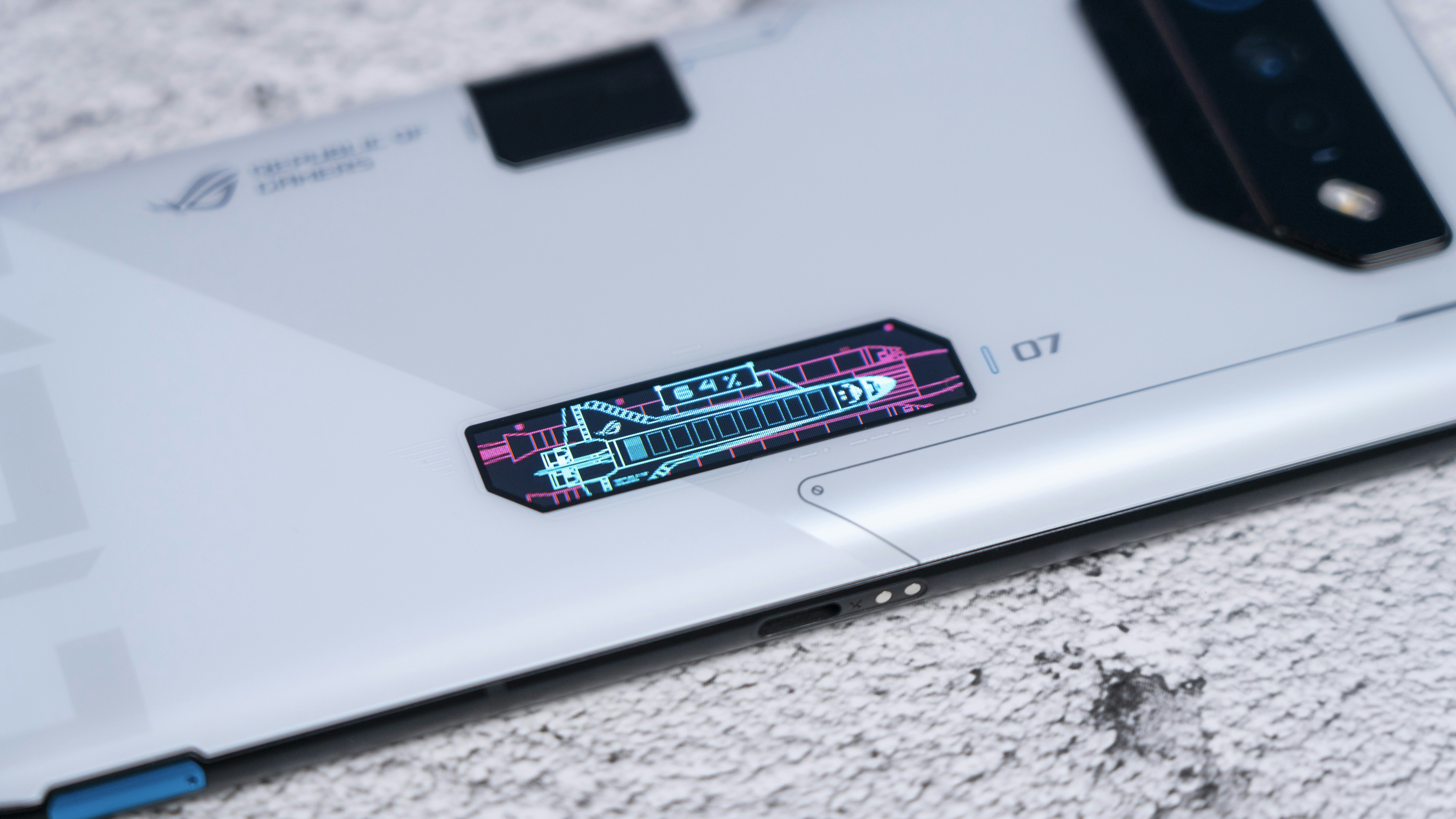
First and foremost, it is essential to identify your personal needs and preferences. Are you a photography enthusiast requiring advanced camera functionality, or do you prioritize high-performance gaming capabilities? Understanding what features matter most to you will help narrow down your options effectively. Furthermore, new emerging technologies, such as foldable displays and enhanced artificial intelligence integration, will likely shape smartphone offerings in 2026, making this an exciting time for consumers. As these advancements become more prevalent, staying informed will allow you to make a more discerning choice.
Additionally, evaluate the manufacturer’s software ecosystem, as this can greatly influence user experience and device longevity. A device that seamlessly integrates with other gadgets you own may be more beneficial than one that does not, contributing to a cohesive technological environment. Furthermore, pay close attention to ongoing support and updates from the manufacturer, as this can enhance device functionality over time.
In summary, selecting the best smartphone in 2026 entails a balance between your unique requirements, emerging technologies, and the brand’s commitment to quality and support. By taking these factors into account, you will be better equipped to make an informed choice that aligns with your lifestyle and preferences. Whether looking for a flagship model or a budget-friendly option, the right smartphone will ultimately enrich your daily experiences.